LAyers of Disparity
A multi-faceted examination of the wealth gap in Los Angeles.
What is LAyers?
Within the U.S., a wealth gap trend coincides with race, where White populations hold the top wealth by percentile and Black and Brown populations hold the bottom wealth by percentile. To observe the possible social and economic influences that could occur on a smaller scale, we decided to scale down our analysis by focusing on one of the biggest cities within the United States, Los Angeles, California.
LAyers examines the prevalence of the wealth gap within Los Angeles by taking an intersectional approach to the historically economic, racial, and educational disparities that perpetuate it, solidified by housing and income rates. Our argument is supported by data sets from the Federal Reserve, American Community Survey, and the California Department of Education. These sources provide us information on the statistics of income and wealth by race and geographical region in addition to U.S. and Los Angeles educational trends.
To support our argument, we connect national patterns of inequality to specific conditions in Los Angeles using concrete data from each of our sources. For example, Federal Reserve data shows that the top 10 percent of U.S. households hold nearly 70 percent of national wealth, while the bottom half holds only a small fraction. The American Community Survey reveals stark income contrasts across Los Angeles census tracts, where neighborhoods largely occupied by white populations such as Beverly Hills report median household incomes above $120,000, compared to under $40,000 in parts of South and East Los Angeles occupied by higher black and brown populations. Education data from the California Department of Education shows significant differences in college-going rates across Los Angeles schools, indicating how early educational opportunities shape long-term mobility. These statistics and examples provide an essential background that grounds our argument: the wealth gap in Los Angeles is not the result of isolated factors, but a pattern produced by interconnected systems across geography, education, and infrastructure.

OUR RESEARCH
What do scholars have to say on this topic?
Research on this subject reveals that wealth gap patterns are exacerbated by several factors, including race, specifically disproportionately affecting Black and Hispanic communities. Government-led housing initiatives from the past such as redlining and eminent domain helped perpetuate racially segregated neighborhoods, allowing the wealthy to build privatized housing and push working-class populations of color into areas with poor infrastructure. This historical phenomenon works in tandem with present-day economic, social, and educational pressures that significantly hinder day-to-day quality of life for poorer American citizens.
These patterns are expanded upon through the delineation of public school districts in Los Angeles and outcomes such as their college going rates and graduation rates, which limit economic mobility according to race and wealth. However, no single factor such as education or housing alone contributes to inequality; rather a combination of these factors alongside the historical practices of economic exclusion collectively contribute to intergenerational wealth. For example, wealth determines who can pursue education and education helps grow a person’s existing wealth (Pfeffer, 2018). Our observations beg the question that remains to be answered by scholars and policymakers: How do we find ways to alleviate disparity and encourage growth and equity, and progress forward towards change?
Our goals and significance
Unlike previous projects and research, this project attempts to synthesize multiple forms of information to create a comprehensive perspective on the factors that influence the wealth gap and how it presents itself in Los Angeles and the greater United States.
We are working on the U.S. wealth gap because we want to find out how broader systems, such as education, neighborhood conditions, and financial policy shape economic opportunity across different communities. Much of the existing conversation focuses on individual choices or single factors, but fewer studies combine multiple datasets to illustrate how inequality develops through interconnected structures. Our project addresses this gap by bringing together educational data, demographic information, and national wealth indicators in order to create a more comprehensive picture of the multifaceted layers that construct our current-day reality. We want to help others understand that the wealth gap is not a simple economic statistic; it is the result of overlapping systems that influence people’s lives from an early age and persist across generations.
This work is important because it shifts attention toward structural causes and encourages more informed discussions about how meaningful and lasting solutions can be created to combat unjust systems that are perpetuated today. We want to encourage scholars and policymakers to consider these issues in developing solutions to factors that contribute to economic disparity, both developing the city and combating historical segregation.
Our Team

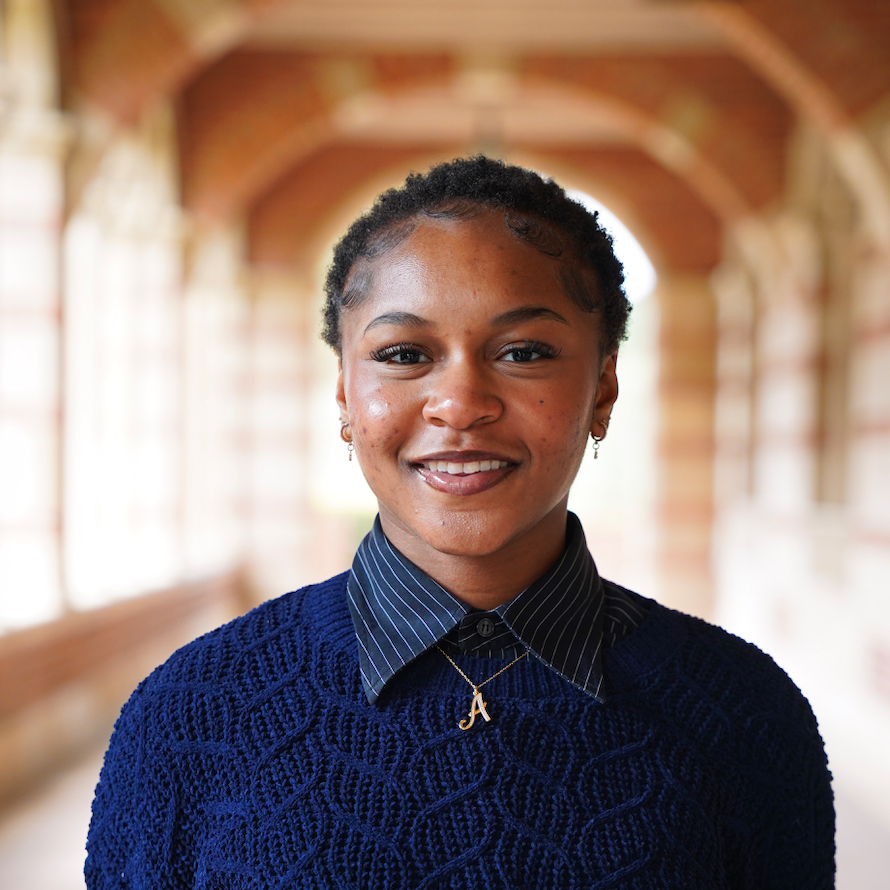
Abby Lee
Major: Stats & DS, Accounting Minor
Abby took this course to gain experience working with Tableau and learn more about the field of digital humanities.
As a Project Manager, she helped ensure efficient communication with the team. As a Web Designer, she helped oversee the website structure and design.
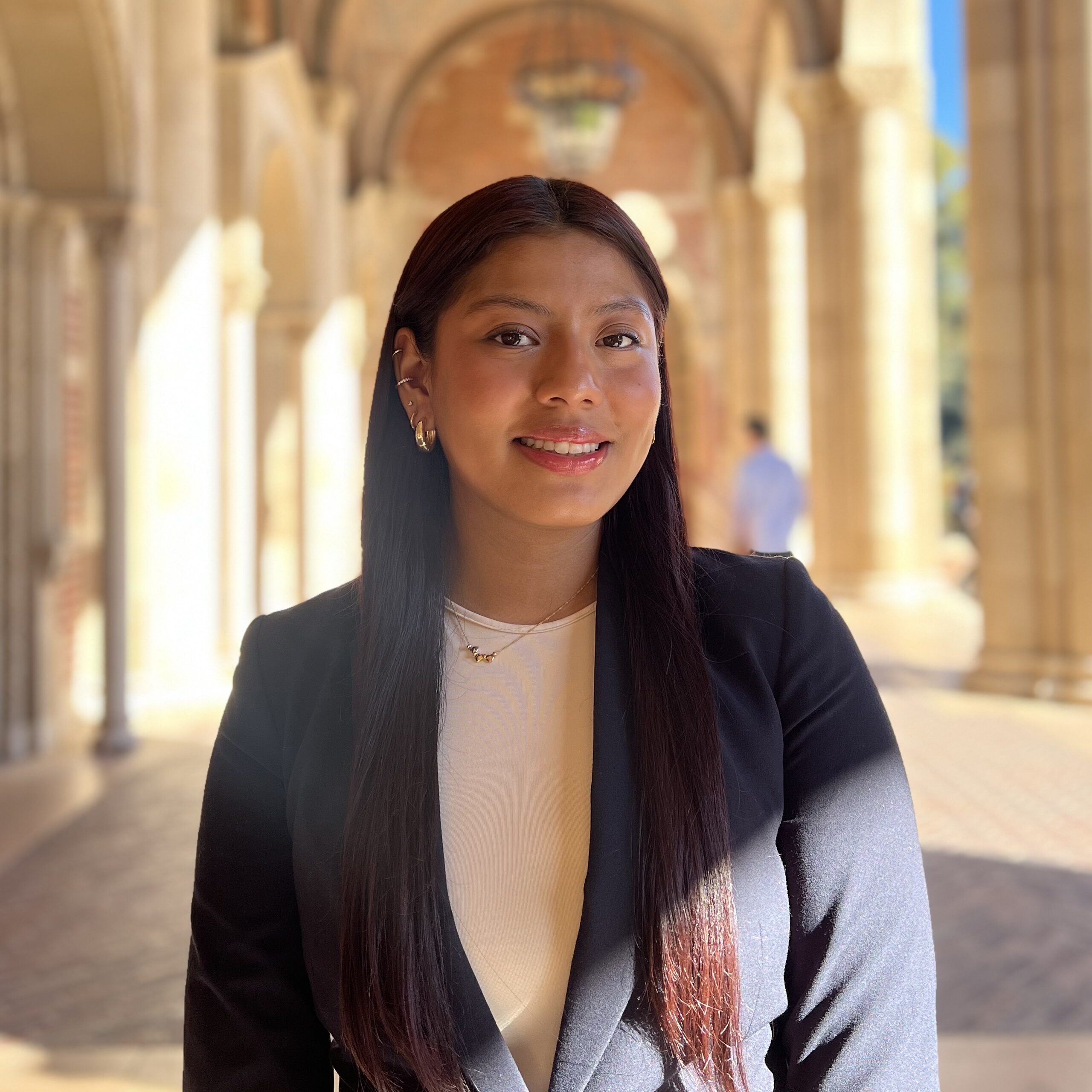
Audrey Ohwobete
Major: Sociology, Digital Humanities Minor
Audrey is taking this course to better understand the process of data analysis in reference to making strong claims and arguments within her sociological studies.
As the Content Developer and Editor, she oversaw the authoring of the site’s main narrative, ensuring that visualizations integrated with written content. She also oversaw the total “look” of the project in terms of consistency, readability, and accessibility.
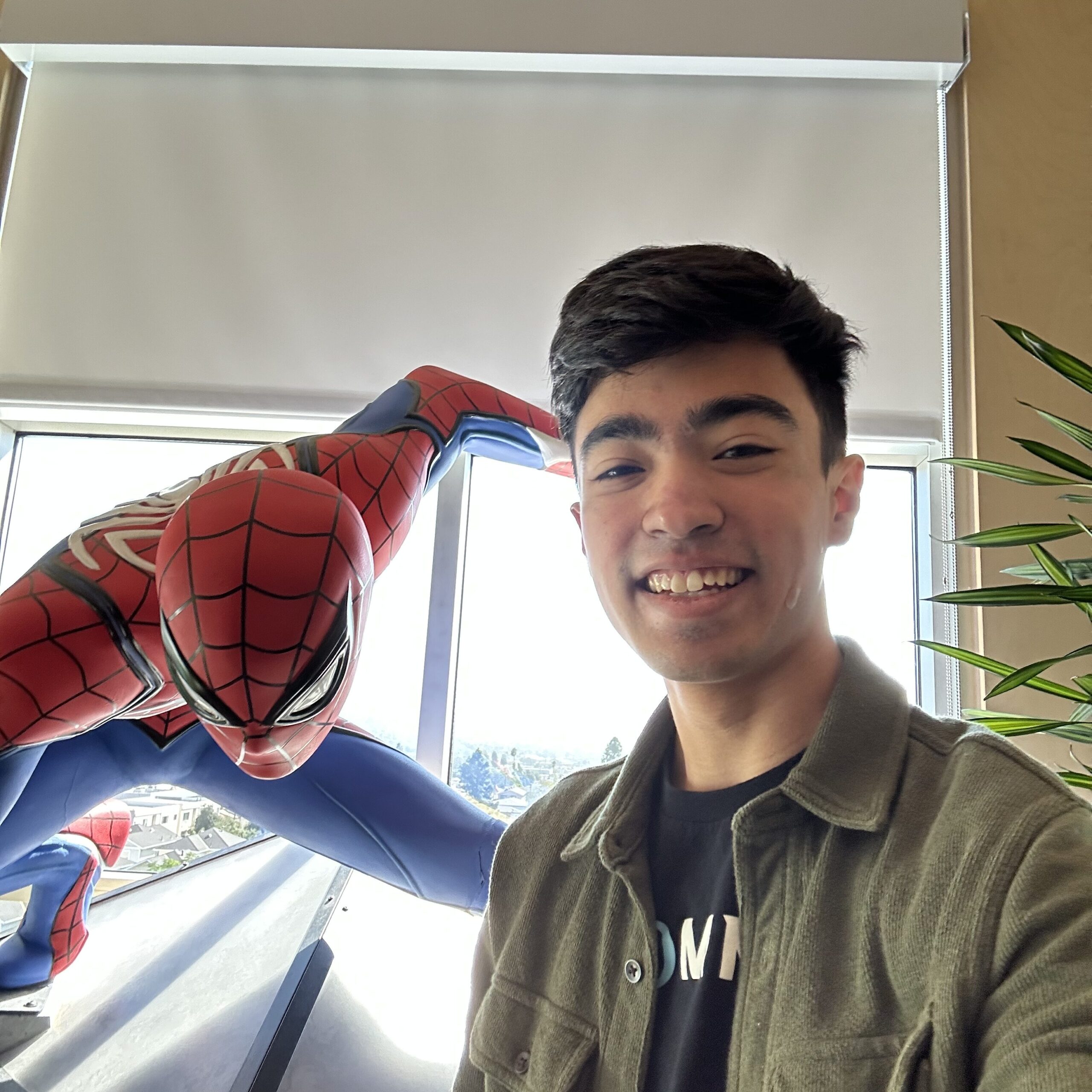
Zulma Ramirez-Ortega
Major: Cognitive Science
Zulma took this course because she is interested in pursuing the Digital Humanities minor at UCLA and is interested in learning how the world of digital humanities affects people.
As a Data Visualization Specialist and Web Designer, she helped oversee the project’s data visualizations and website design.
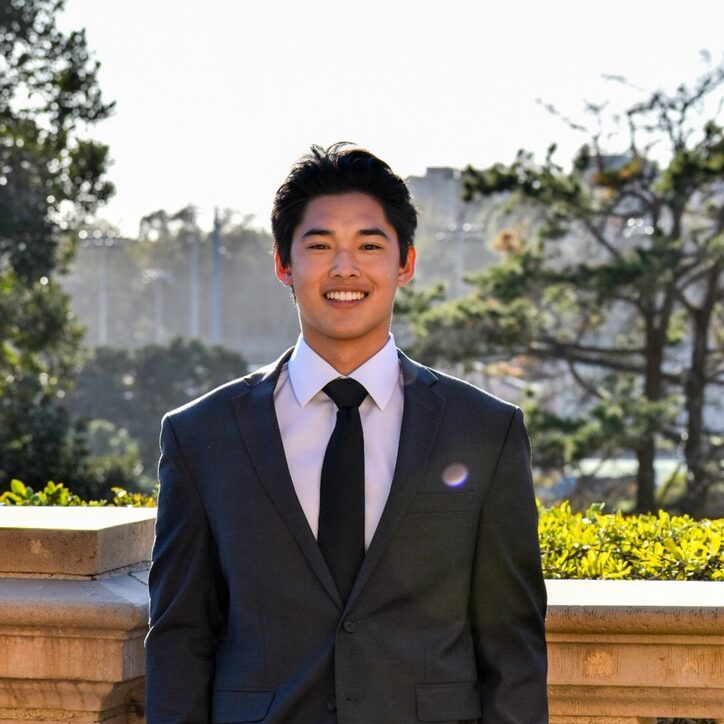
Brandon Shihabi
Major: Computer Science
Brandon took this course to fulfill his digital humanities requirements.
As a Data Specialist, he saw the cleaning, refining and augmenting of the group’s dataset.

Jacob Verde
Major: Economics, Entrepreneurship Minor
Jacob took this course to fulfill a requirement for his minor and general education.
As a Project Manager, he helped ensure efficient communication between the team and that they stayed on track with project deadlines.
Image Citations
[1] TAPP Channel. (n.d.). Skid Row, Los Angeles, Homeless Capitol of the USA | 4K drone footage [Video]. YouTube. https://www.youtube.com/watch?v=2qN0A355Gag
[2] Csun.edu, 2018, newsroom.csun.edu/wp-content/uploads/2024/08/istock-1038471838.jpg. Accessed 22 Nov. 2025.
[3] Vox-Cdn.com, 2025, cdn.vox-cdn.com/thumbor/656HgSZYVohGQg_Fn1xPP8hIZMY=/0x0:4459×2973/1520×1013/filters:focal(1874×1131:2586×1843):format(webp)/cdn.vox-cdn.com/uploads/chorus_image/image/63716224/GettyImages_486357867.0.jpg. Accessed 22 Nov. 2025.